November 22, 2026
Managing access to an office building involves more than installing locks and distributing keys. Businesses need security solutions that protect sensitive areas while allowing employees to move throughout the workplace without unnecessary restrictions. A master key system provides an organized way to control access to different rooms, departments, and entry points using a structured hierarchy of keys. Business locksmiths help companies design these systems around their operational needs, security requirements, and building layouts.
Understanding the Purpose of Master Key Systems
A master key system allows multiple locks to operate with different keys while maintaining a central level of access. Instead of giving every employee a key that opens every door, businesses can establish specific access permissions based on job responsibilities and security requirements.
For example, an employee might receive a key that opens only the main office entrance and their assigned department. A department manager may have access to several additional rooms, while a master key grants authorized personnel access to every designated lock in the system.
This arrangement offers several advantages for commercial properties:
- Improved Access Control: Employees can enter the areas necessary for their responsibilities without accessing restricted spaces.
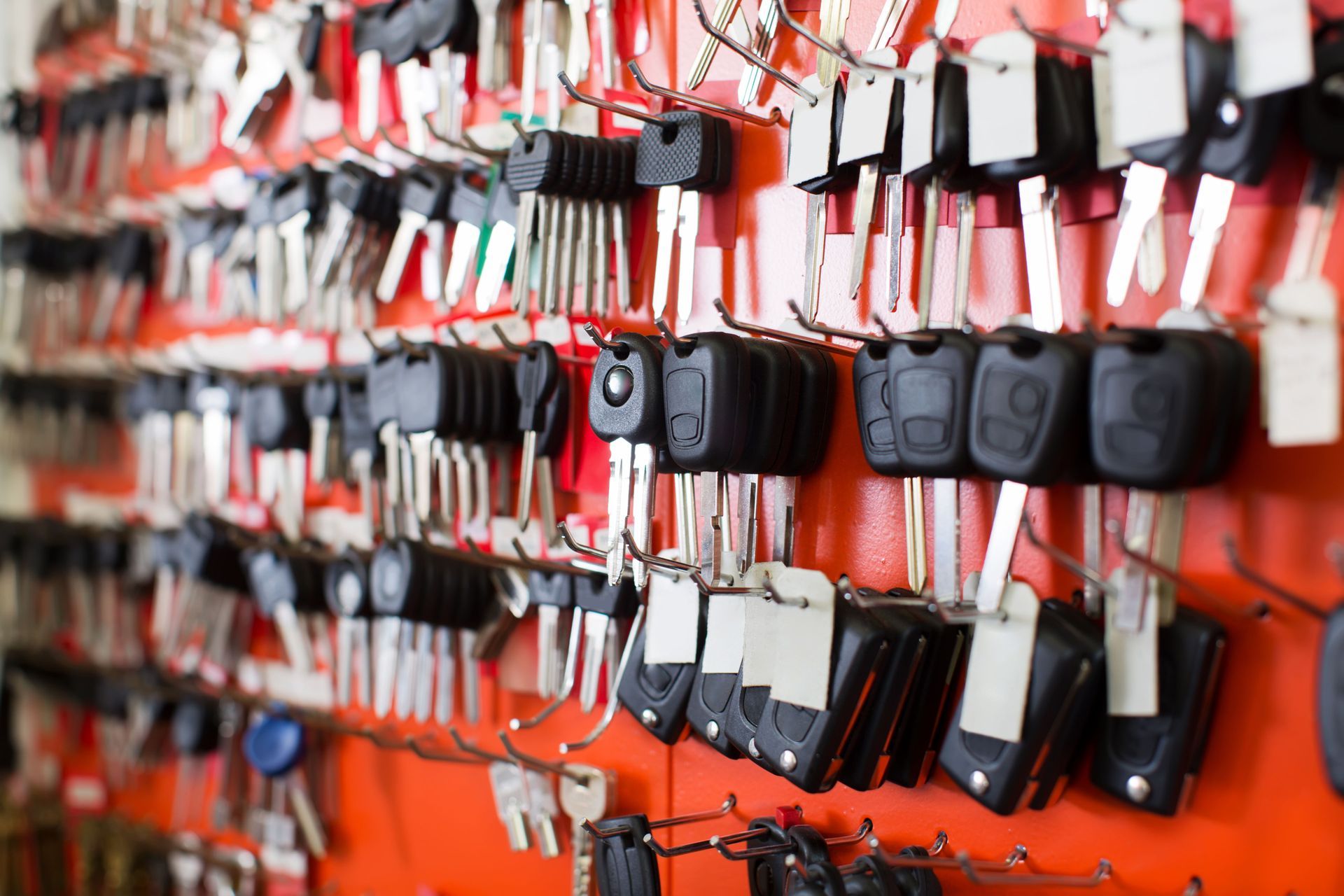
- Simplified Key Management: Businesses can organize access permissions through a structured system rather than distributing numerous unrelated keys.
- Increased Security: Sensitive areas can remain accessible only to authorized employees and management personnel.
- Greater Convenience: Authorized individuals can use fewer keys to access multiple areas throughout the building.
Business locksmiths evaluate these requirements before recommending a master key structure. Their goal is to create a system that balances convenience with appropriate security throughout the workplace.
Evaluating Office Layouts and Security Requirements
Before designing a master key system, locksmiths need to understand how an office building operates. Every business has different access requirements depending on its size, number of employees, departments, and the types of materials or equipment stored on the premises.
The initial evaluation typically involves identifying all doors, entry points, storage areas, and restricted spaces that require controlled access. Locksmiths also consider how employees, management personnel, maintenance workers, and visitors move throughout the property.
For instance, a medical office may need separate access permissions for administrative areas, supply storage, and employee-only spaces. A corporate office might require additional restrictions around executive offices, records rooms, and equipment storage.
Business locksmiths use this information to determine which doors should share access permissions and which should remain separate. Establishing these requirements early helps prevent unnecessary complications during system installation.
Establishing Key Hierarchies and Access Levels
One of the most important parts of designing a master key system involves creating a logical hierarchy. This structure determines which keys operate specific locks and who receives permission to access different areas.
Most office systems include several key levels, depending on the building's size and security needs.
Common key levels include:
- Change Keys: These individual keys operate specific locks or designated lock groups. Employees typically receive change keys that provide access only to the areas they need.
- Master Keys: These keys operate multiple locks within a designated group or section of the building. Department managers may receive master keys to access several offices or workspaces.
- Grand Master Keys: Larger facilities may use grand master keys to access multiple groups of locks within the overall system.
- Great-Grand Master Keys: Some large commercial properties use an additional level of access above the grand master key to manage multiple building-wide systems.
Not every business needs every level. Smaller offices may only require change keys and one master key, while larger facilities may benefit from a more detailed hierarchy.
Business locksmiths develop this structure carefully to ensure that employees receive appropriate access without compromising restricted areas. A well-planned hierarchy also makes future adjustments easier when staffing or building requirements change.
Selecting Compatible Locks and Hardware
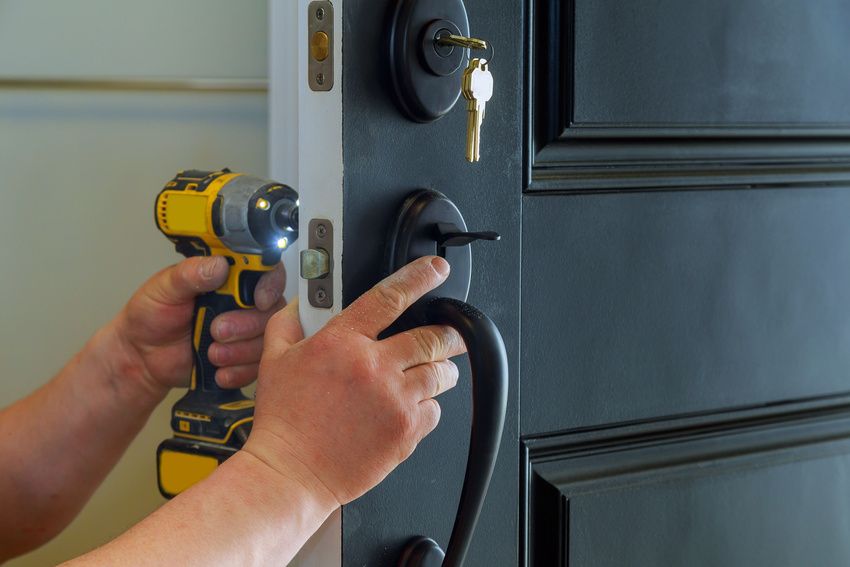
After establishing access levels, locksmiths must determine which locks and hardware will work with the proposed master key system. Existing commercial locks may be compatible with the planned arrangement, but older or damaged hardware might require replacement.
The selection process involves considering several factors, including door construction, lock type, expected usage, and the security requirements of individual spaces. High-security locks may be appropriate for areas containing confidential documents, valuable equipment, or sensitive business information.
Commercial door hardware must also function reliably under everyday conditions. Main entrances and frequently used office doors typically experience more wear than interior storage rooms or private offices.
American Security Safe & Lock, LLC offers commercial lock replacement, high-security lock installation, and commercial door and hardware services. These solutions can help businesses establish dependable locking arrangements that support their overall security plans.
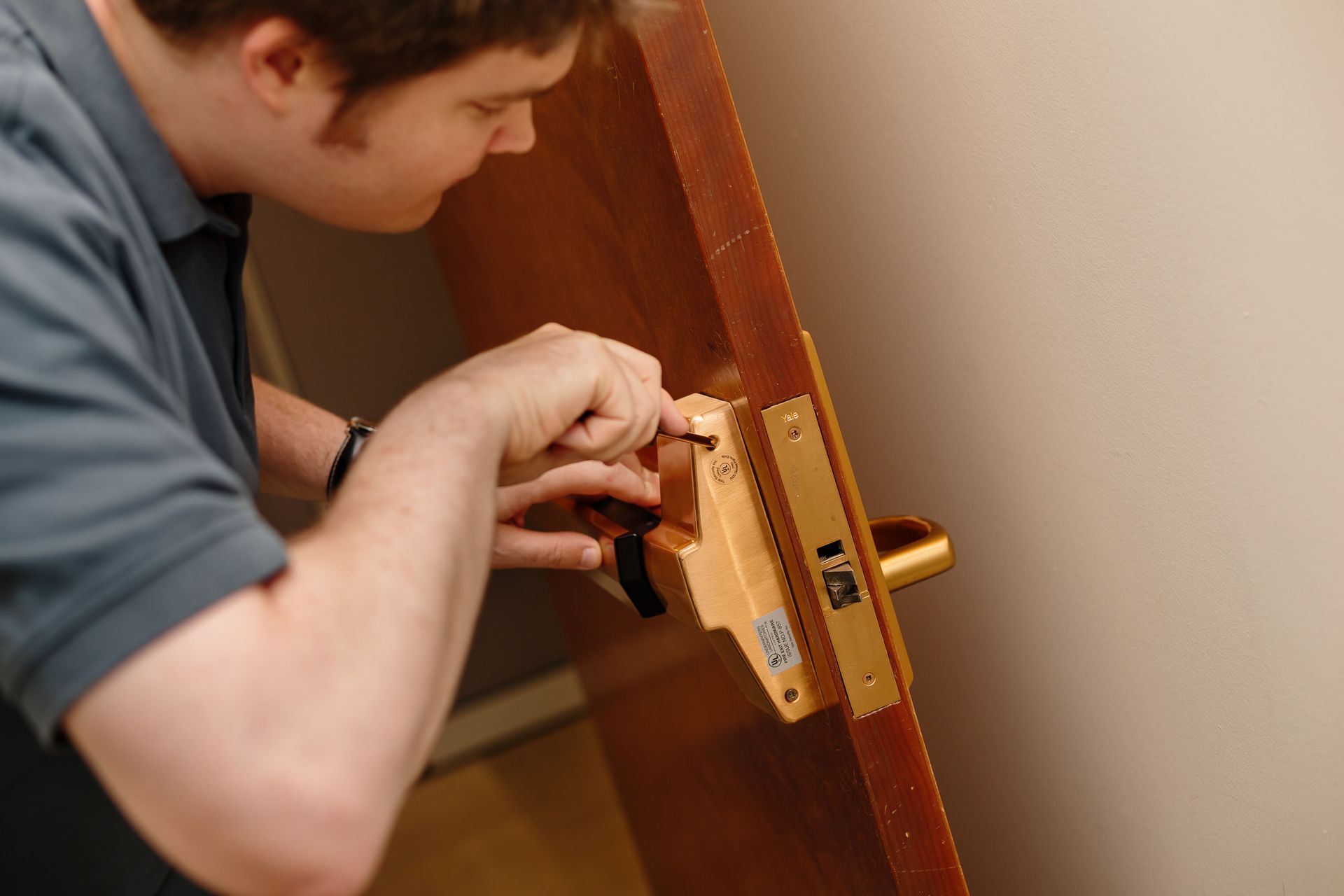
Choosing compatible hardware is essential because the locks must operate correctly within the established key hierarchy. Professional installation also helps ensure that doors close, latch, and secure properly.
Organizing Key Distribution and Security Policies
A master key system is only effective when businesses maintain control over who receives keys and how those keys are managed. Even a carefully designed locking arrangement can create security concerns if employees distribute keys without authorization or fail to return them when leaving the company.
During the planning process, business locksmiths can help organizations establish practical key management procedures. These policies should identify which employees receive specific keys, who approves additional copies, and how access changes are handled.
Businesses should consider implementing procedures such as:
- Maintaining a record of employees who receive keys.
- Assigning keys according to job responsibilities.
- Requiring employees to return keys upon termination of employment.
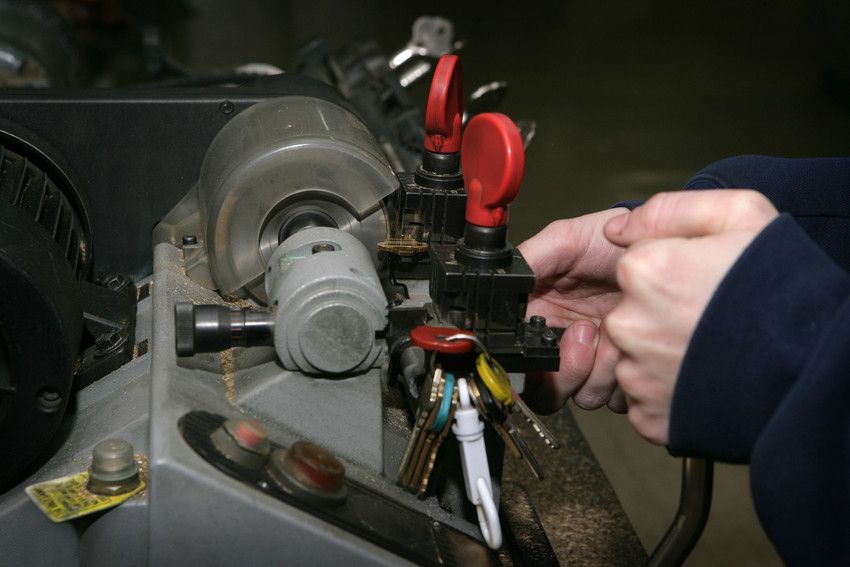
- Restricting unauthorized key duplication.
- Reviewing access permissions when employees change positions.
- Reporting lost or stolen keys immediately.
Restricted key systems can provide another layer of control by limiting duplication to authorized sources. This helps businesses maintain better oversight of their keys and reduces the possibility of unauthorized copies circulating throughout the workplace.
According to IBISWorld, revenue for the locksmith industry is projected to grow at an annualized rate of 3.5%, reaching $2.8 billion. This industry growth reflects the continuing demand for professional locksmith products and services, including solutions that help businesses manage physical security.
Planning for Future Access Changes
Office environments rarely remain exactly the same over time. Businesses hire new employees, reorganize departments, expand their facilities, and change how individual spaces are used. A properly designed master key system should account for these possibilities.
During the planning process, locksmiths consider whether the proposed arrangement can accommodate additional locks, new departments, or changing access requirements. Building flexibility into the original design can reduce the need for extensive modifications later.
For example, a company that plans to expand into an adjoining office space may benefit from a system that can incorporate additional locks without disrupting existing access arrangements.
Rekeying is another consideration when businesses need to change who can access particular areas. This process modifies a lock's internal configuration so that existing keys no longer operate it while newly assigned keys provide the appropriate access.
American Security Safe & Lock, LLC offers commercial lock rekeying and master key system setup to help businesses maintain control as their security requirements evolve.
Maintaining Master Key Systems Over Time
Regular attention helps ensure that a master key system continues operating as intended. Commercial locks wear out with repeated use, and mechanical problems can eventually make it difficult for employees to enter or secure certain areas.
Businesses should address sticking locks, damaged keys, loose hardware, and other performance issues before they interfere with daily operations. Periodic reviews of key assignments can also help identify outdated access permissions. Business locksmiths can help companies evaluate these concerns and determine whether adjustments or repairs are necessary.
Professional maintenance and timely lock repairs help preserve the system's reliability. If a key is lost or a lock is damaged, a qualified commercial locksmith can assess the situation and recommend an appropriate solution.
Designing a More Secure Office With Professional Locksmith Services
A well-designed master key system gives businesses greater control over building access while making everyday operations more convenient. By evaluating office layouts, establishing key hierarchies, selecting compatible hardware, and organizing key distribution, professional locksmiths can develop solutions that support both security and efficiency.
Working with experienced business locksmiths also helps organizations prepare for future changes without overlooking important security considerations. American Security Safe & Lock, LLC provides professional commercial locksmith services, including master key system setup, lock rekeying, and high-security lock installation. Contact American Security Safe & Lock, LLC today for a free estimate and expert assistance with your office security needs.