November 21, 2026
Locks and keys have protected homes, businesses, and valuable possessions for thousands of years. Although modern security systems have advanced considerably, their purpose remains the same: controlling access and protecting property. Locksmithing has evolved from basic wooden mechanisms to precision hardware and electronic systems. For Georgia businesses, a local commercial locksmith can help maintain, upgrade, and select appropriate locking systems to meet changing security needs and protect commercial properties.
Exploring the Origins of Ancient Locks
The earliest known locking mechanisms relied on relatively simple designs. Ancient civilizations used wooden devices with pins, bolts, and keys to secure doors and storage areas. These systems were designed to prevent unauthorized entry by requiring a specific key or mechanism to release the lock.
According to LinkedIn, one of the oldest known key-based locks dates back to 704 BC and was discovered in the ruins of the palace of Sargon of Akkad. This historical example demonstrates how long people have relied on physical locking mechanisms to protect important spaces and possessions.
Early locks were often made from wood and featured basic components that could be manipulated with specially designed keys. Although these mechanisms lacked the complexity of modern hardware, they introduced an important principle that continues to influence security technology: access should be restricted to individuals with the correct key.
As communities grew and valuable goods became more common, the need for dependable security measures increased. Locks gradually became more refined, with different designs emerging to address the security needs of households, storage facilities, and commercial spaces.
Understanding the Development of Metal Locking Systems
As metalworking techniques improved, locksmiths began producing stronger and more durable locking mechanisms. Metal components offered advantages over wooden designs because they could withstand greater wear and were less vulnerable to certain types of damage.
Ancient Romans helped advance lock construction by introducing metal locks and keys with more intricate designs. Some Roman keys were small enough to be worn as rings, combining practical security with convenient access. These developments showed how locking systems could become more portable and adaptable.
During the Middle Ages, locksmithing continued to develop throughout Europe. Craftspeople created increasingly elaborate locks, sometimes incorporating decorative details into their designs. While appearance was important for certain applications, the primary purpose remained protecting property and controlling entry.
The development of metal locks also helped establish locksmithing as a specialized profession. Producing reliable mechanisms required knowledge of materials, measurements, and mechanical principles. These skills eventually became central to the locksmith trade.
Advancing Precision in Modern Lock Design
The Industrial Revolution brought significant changes to lock manufacturing. New machinery and manufacturing processes allowed companies to produce standardized components with greater consistency. Locks became more widely available, and designs continued to improve as manufacturers explored new ways to strengthen security.
One notable development was the pin tumbler lock, which became an important foundation for many modern mechanical locking systems. Its design uses a series of pins that must align at the correct height before the lock cylinder can turn. A properly cut key positions these pins so the mechanism can operate.
This design helped make locks more practical for everyday use while providing a more controlled method of restricting access. Over time, manufacturers refined the mechanism and introduced variations for residential and commercial applications.
For businesses, these improvements meant more options for securing different entrances and interior spaces. A local commercial locksmith can help property owners understand how different lock designs function and determine which hardware is appropriate for their buildings.
Expanding Security Through Commercial Lock Systems
As businesses became larger and commercial properties more complex, basic door locks were no longer sufficient for every security need. Offices, warehouses, retail stores, and industrial facilities often required different levels of access depending on the area and the responsibilities of employees.
Manufacturers responded by developing commercial-grade locks designed for frequent use and demanding environments. These systems may include heavy-duty deadbolts, mortise locks, panic hardware, and specialized locking mechanisms for restricted spaces.
Commercial properties also began adopting master key systems. These arrangements allow designated individuals to access multiple doors with one key while employees receive keys that operate only specific locks. This makes it easier to organize access throughout a building without distributing identical keys to everyone.
A well-planned locking system can support daily operations while helping businesses maintain control over sensitive areas. For example, a retail store may need different access arrangements for its main entrance, office, stockroom, and cash-handling areas.
Professional locksmiths understand how these systems work together. Their knowledge helps businesses select compatible hardware and establish access arrangements that reflect their operational requirements.
Incorporating Electronic Access Technology
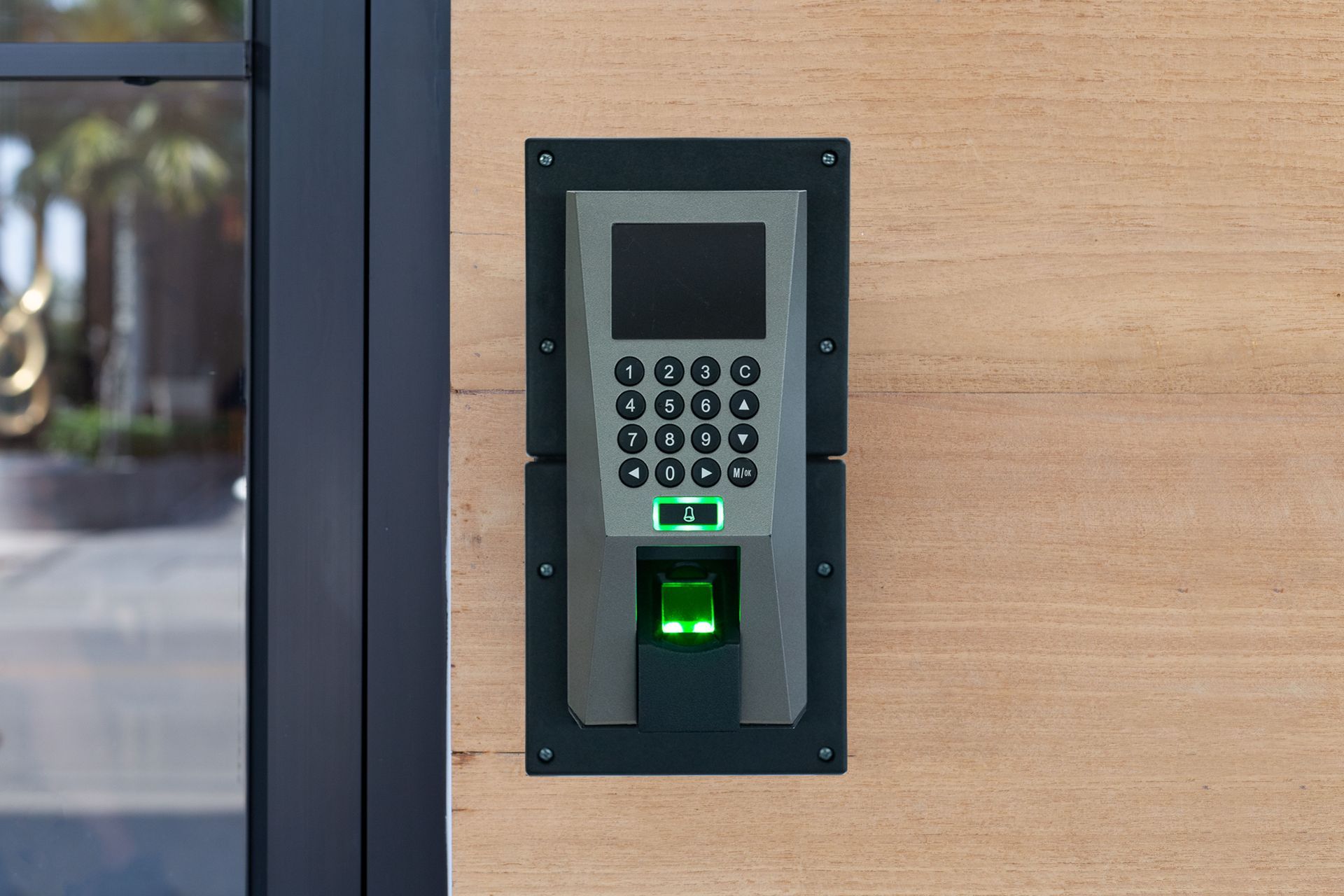
Technology has introduced another major stage in the evolution of locksmithing. Electronic locks and access control systems allow businesses to manage entry through methods beyond traditional metal keys.
Depending on the system, access may be granted through keypads, electronic credentials, access cards, or other authorized devices. Some systems also allow administrators to manage permissions and review access activity through dedicated software.
These options can be useful for businesses with multiple employees, changing schedules, or restricted areas. For example, management may need to provide temporary access to a contractor or adjust permissions when an employee changes positions.
Electronic systems do not eliminate the need for physical security expertise. Their effectiveness depends on proper installation, compatible hardware, and ongoing maintenance. Mechanical components may still be present, and businesses should understand how their electronic equipment interacts with existing doors and locks.
A local commercial locksmith can help companies evaluate whether traditional hardware, electronic access, or a combination of both is appropriate for their facilities.
Maintaining Security as Businesses Grow
The evolution of locks has given businesses more ways to protect their properties, but security requirements can change as organizations develop. A company that once operated from a single office may eventually expand into additional buildings, storage areas, or commercial locations.
These changes can create new access challenges. Employees may need keys for different entrances, managers may require access to restricted rooms, and contractors may need temporary entry during maintenance projects.
Regular lock assessments help businesses determine whether existing hardware continues to meet their needs. Worn locks, damaged components, outdated key arrangements, and changes in building use can all indicate that an update may be beneficial.
Georgia businesses should also consider seasonal operating changes. Retailers, hospitality companies, and other organizations may bring on additional employees during busy periods. Reviewing access permissions before these staffing changes can help management maintain consistent security procedures.
Working with experienced local commercial locksmith professionals can make these transitions easier. A qualified technician can inspect existing locks, recommend rekeying or replacement when appropriate, and help businesses organize their physical access systems.
Although lock technology has changed considerably, professional locksmith knowledge remains essential. Modern commercial properties may contain several types of hardware, each with different installation, maintenance, and security requirements.
Choosing an experienced locksmith means working with someone who understands these differences. A professional can assess the property's doors, identify potential hardware concerns, and explain available solutions based on the building's layout and daily operations.
Services may include commercial lock installation, lock repair, rekeying, key duplication, master key systems, and assistance with safes and other security hardware. The appropriate service depends on the property's condition and the company's access requirements.
Business owners should also consider the importance of working with a provider who communicates clearly. Understanding the available options helps management make informed decisions about security investments and avoid unnecessary hardware changes.
A trusted local commercial locksmith can provide practical guidance as companies maintain existing systems or prepare for future changes. Professional support helps ensure that security measures remain appropriate as technology, staffing, and business operations evolve.
From ancient locks to modern electronic systems, locksmithing continues to evolve. A local commercial locksmith helps Georgia businesses maintain dependable locks, manage access, and protect their properties. American Security Safe & Lock, LLC provides professional security services. Contact the team today to discuss your commercial locking and security needs.