June 25, 2026
Security has always been a top priority for businesses, but the way organizations protect their facilities is evolving rapidly. Traditional locks and keys are no longer sufficient for many companies that need greater control, visibility, and flexibility. As technology advances and businesses face increasingly complex security challenges, access control systems have become an essential component of modern security strategies. Understanding how these systems work and why they matter can help business owners make informed decisions about protecting their people, property, and information.
What's an Access Control System?
An access control system is a security solution designed to regulate entry to buildings, rooms, gates, and other secured areas. Rather than relying solely on physical keys, these systems use electronic credentials to verify identity and grant or deny access.
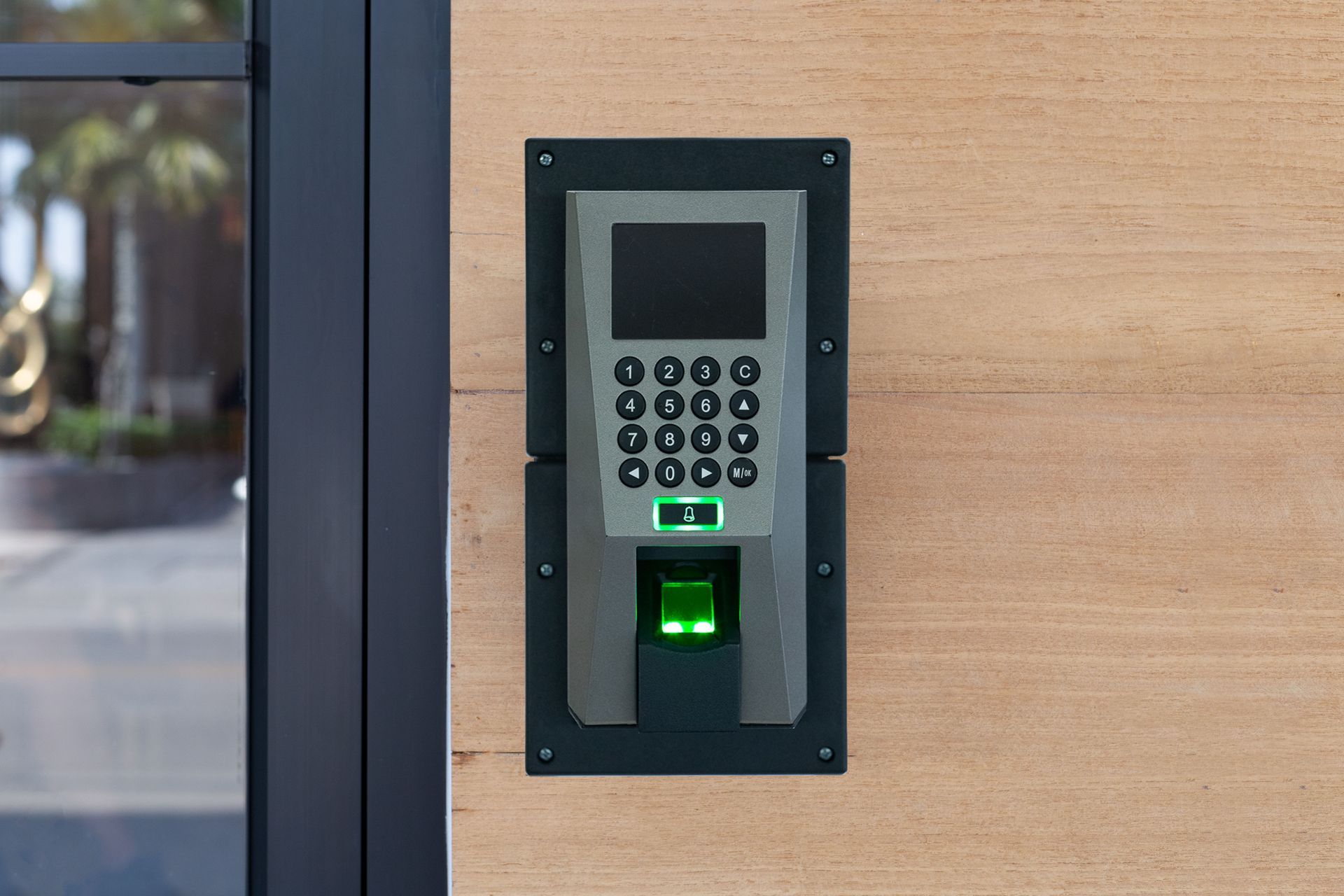
Credentials may include key cards, fobs, mobile devices, PIN codes, biometric identifiers, or a combination of authentication methods. When an authorized individual presents valid credentials, the system allows entry. If credentials are invalid or unauthorized, access is denied.
This approach provides businesses with significantly greater control over facility access while reducing many of the limitations associated with traditional lock-and-key systems.
Why Traditional Keys Are Becoming Less Effective
Physical keys have served businesses for decades, but they come with several disadvantages. Lost keys can create security risks, duplicated keys may be difficult to track, and redoing locks after employee turnover can be costly and time-consuming.
Traditional keys also provide little visibility into who enters a facility and when access occurs. Access control systems solve these challenges by offering centralized management and detailed activity tracking. Businesses can quickly revoke access privileges, issue new credentials, and maintain greater control over security operations.
How Access Control Systems Work
Most access control systems consist of several key components working together. These typically include credential readers, electronic locks, management software, and user credentials.
When a credential is presented to a reader, the system verifies authorization through a database. If access permissions match the requested entry point, the electronic lock disengages and allows access.
Modern systems often communicate through secure networks, enabling administrators to monitor activity and manage permissions from a central platform. This streamlined approach improves both security and convenience.
Types of Access Control Credentials
One of the reasons access control systems have become so popular is the variety of credential options available. Businesses can select solutions that align with their security requirements and operational needs.
Common credential types include:
- Key cards and proximity cards
- Key fobs
- Mobile phone credentials
- PIN codes
- Fingerprint recognition
- Facial recognition technology
- Multi-factor authentication systems
Each option offers unique advantages depending on the level of security required and the size of the organization.
The Rise of Mobile Access Technology
One of the most significant developments in access control is the growing use of smartphones as credentials. Mobile access solutions allow authorized users to unlock doors using secure applications installed on their devices.
Mobile credentials reduce the need for physical cards while offering a convenient user experience. They can also be updated, revoked, or reassigned remotely, making credential management easier for administrators.
As mobile technology continues to evolve, many businesses are incorporating smartphone-based access solutions into their overall security strategies.
Improving Employee Safety
Employee safety remains one of the most important reasons businesses invest in access control systems. Restricting access to sensitive areas helps reduce unauthorized entry and creates a safer workplace environment.
Businesses can establish access levels based on job responsibilities, ensuring employees only enter areas relevant to their roles. This minimizes unnecessary exposure to hazards and protects confidential information.
In emergency situations, access control systems can also assist with accountability by providing records of who entered or exited specific locations.
Protecting Sensitive Information
Many organizations store valuable intellectual property, customer data, financial records, and proprietary information. Unauthorized access to these assets can result in financial losses, legal complications, and reputational damage.
Access control systems help protect sensitive information by limiting entry to authorized personnel. Server rooms, records storage areas, executive offices, and research facilities can all be secured through customized access permissions.
This targeted approach strengthens information security while supporting compliance with various regulatory requirements.
Integration With Modern Security Systems
Today's access control systems rarely operate in isolation. Instead, they are often integrated with broader security infrastructures.
Common integrations include:
- Video surveillance systems
- Intrusion detection systems
- Alarm monitoring platforms
- Visitor management systems
- Building automation technologies
- Emergency notification systems
Integration creates a more comprehensive security ecosystem that provides greater visibility and control across the entire facility.
Cloud-Based Access Control Solutions
Cloud technology is transforming the way businesses manage security. Cloud-based access control systems allow administrators to manage permissions, review activity logs, and monitor facilities from virtually any location with internet access.
These systems reduce the need for extensive on-site infrastructure while offering greater flexibility and scalability. Organizations with multiple locations can manage security across all facilities through a centralized platform.
Cloud solutions also simplify software updates and system maintenance, helping businesses stay current with evolving security technologies.
The Growing Influence of Smart Technology
The increasing popularity of connected devices has influenced both residential and commercial security innovations. According to the International Data Corporation, the international smart home market was expected to exceed $100 billion in 2025. While this statistic focuses on residential technology, it reflects a broader trend toward connected environments.
Businesses are increasingly adopting smart security solutions that offer automation, remote monitoring, and advanced data analysis capabilities. Access control systems are benefiting from these innovations through improved connectivity and enhanced functionality.
Biometric Authentication and the Future of Security
Biometric technology is becoming more common in high-security environments. Instead of relying on cards or passwords, biometric systems verify identity through unique physical characteristics.
Fingerprint scanning, facial recognition, and iris recognition technologies provide an additional layer of security because biometric credentials are difficult to duplicate or share.
As biometric solutions continue to improve, they are expected to play an increasingly important role in access control strategies across various industries.
Managing Visitor Access More Efficiently
Businesses frequently welcome clients, vendors, contractors, and guests. Managing visitor access can be challenging without the proper systems in place.
Modern access control platforms often include visitor management features that allow temporary credentials to be issued for specific time periods and locations.
This approach improves security while creating a smoother experience for visitors. Businesses can maintain better oversight without disrupting daily operations.
Scalability for Growing Organizations
As businesses expand, security requirements often become more complex. Access control systems provide the flexibility needed to accommodate growth.
New users, doors, facilities, and access levels can typically be added without requiring major infrastructure changes. This scalability makes access control systems a practical investment for organizations planning future expansion.
Businesses can adapt their security programs as operational needs evolve, ensuring continued protection over time.
Compliance and Audit Support
Many industries must comply with regulations related to data protection, workplace safety, and facility security. Access control systems help support compliance efforts by maintaining detailed activity records.
Administrators can review logs showing who accessed specific areas and when access occurred. These records can be valuable during audits, investigations, and regulatory reviews.
Accurate documentation strengthens accountability and demonstrates a commitment to maintaining secure operations.
Reducing Internal Security Risks
External threats often receive significant attention, but internal security risks can also present serious challenges. Unauthorized access by employees, contractors, or vendors may lead to theft, data breaches, or operational disruptions.
Access control systems help mitigate these risks by limiting access based on job roles and responsibilities. Organizations gain greater visibility into facility activity while reducing opportunities for unauthorized behavior.
Enhanced accountability contributes to a stronger overall security culture.
As organizations prepare for the future, investing in advanced access control solutions can provide a strong foundation for long-term security success. Businesses that embrace these technologies position themselves to respond effectively to evolving threats while creating safer and more secure environments for employees, customers, and visitors. To learn more, contact our team at American Security Safe & Lock today!