November 23, 2026
Managing commercial property access involves more than locking doors. Businesses must track who holds keys, how many copies exist, and how access changes when employees leave or change roles.
Unrestricted duplication can create security concerns, making clear key control policies essential. Experienced business locksmiths can help Georgia companies establish practical access management strategies that protect facilities, equipment, inventory, and confidential information while supporting daily operations.
Understanding the Risks of Unrestricted Key Duplication
Physical keys are convenient, but they can be difficult to track once multiple copies are distributed. When employees can duplicate keys without approval, management may lose an accurate record of who has access to the building. This can become a concern when keys are shared, misplaced, or retained after an employee leaves the company.
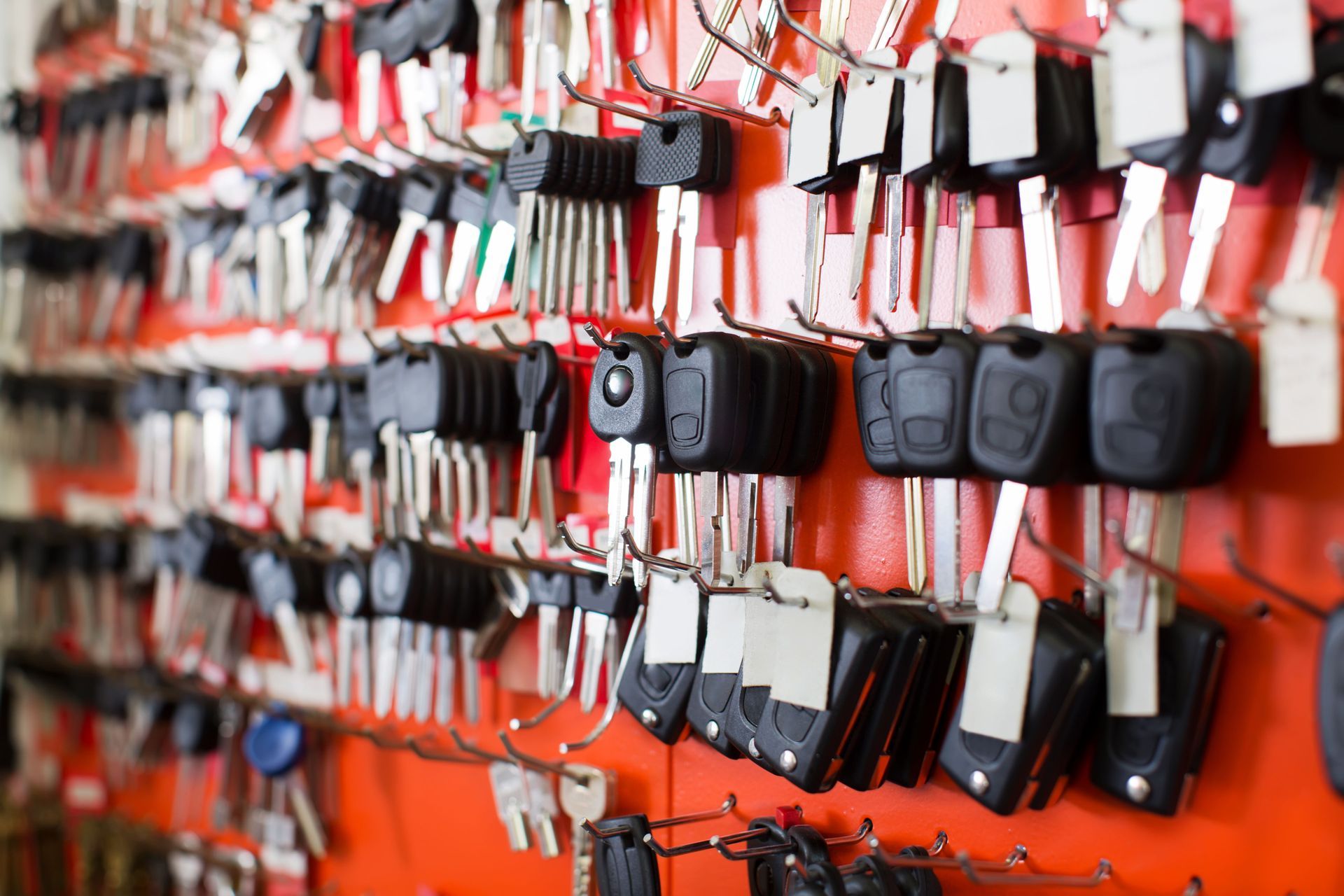
According to HomeGuide, duplicating a standard key can take less than five minutes. This quick process highlights why businesses should establish clear guidelines for key distribution. Without an approval process, additional copies can circulate without management's knowledge.
Unrestricted duplication may also create challenges when a company experiences staffing changes. A former employee might retain a key, or an existing copy could be passed to someone who no longer needs access. Even when there is no intention to misuse a key, these situations can make it harder to maintain control over the property.
Establishing a documented key policy helps businesses understand how many keys exist and who is responsible for each one. This provides a more organized approach to physical security and reduces uncertainty when access needs change.
Recognizing When Employee Access Changes
One of the most important times to review key distribution is when an employee leaves the company or changes positions. Employees may have different access requirements depending on their responsibilities, schedules, and departments. A key that was once necessary may no longer be appropriate after a role change.
Businesses should also review access when temporary employees, contractors, or seasonal workers finish their assignments. In Georgia, companies in industries such as retail, hospitality, construction, and property management may experience staffing changes throughout the year. Seasonal hiring can make it especially important to have consistent procedures for issuing and collecting keys.
When someone leaves the organization, management should confirm whether all assigned keys have been returned. If a key is missing or cannot be accounted for, a professional security assessment can help determine whether the affected locks should be rekeyed or replaced.
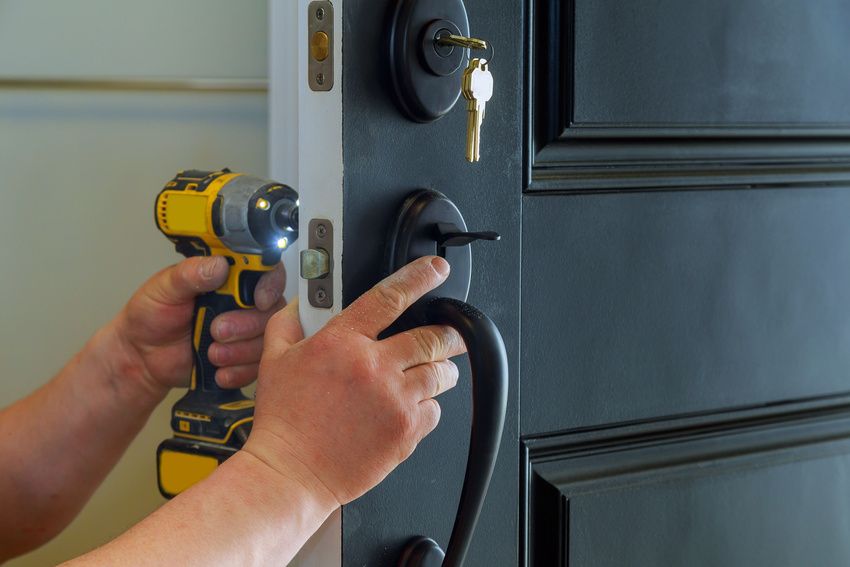
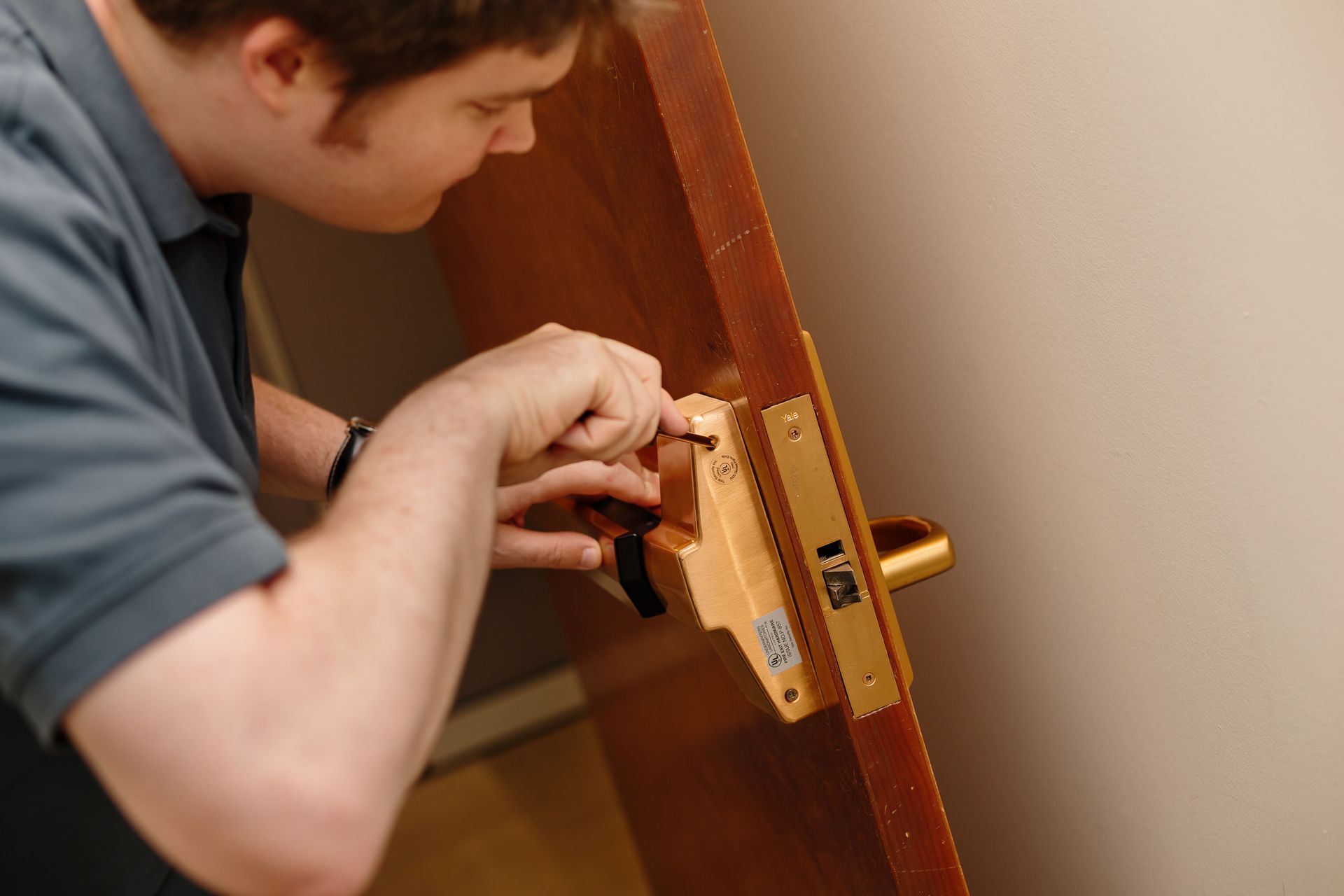
Business locksmiths can assist companies with these transitions by evaluating existing locks and recommending appropriate solutions. Depending on the circumstances, rekeying may allow a business to maintain its existing hardware while changing which keys operate the locks.
Establishing Clear Rules for Key Distribution
A consistent distribution policy helps prevent unnecessary duplication and keeps access decisions organized. Rather than allowing employees to request additional copies independently, companies can designate a manager or authorized administrator to oversee key assignments.
This person can maintain records showing which employees have keys, which areas those keys access, and when they were issued. Businesses should also establish guidelines for requesting replacement keys and reporting missing ones. These procedures create accountability without making routine workplace access unnecessarily difficult.
The level of control needed depends on the property and the nature of its operations. A small office may have relatively simple access requirements, while a larger facility could include separate entrances, storage rooms, equipment areas, and restricted administrative spaces.
Companies should consider whether every employee needs access to all areas of the property. Limiting certain keys to managers, supervisors, or designated personnel can help protect sensitive spaces. This approach also makes it easier to investigate access concerns because fewer individuals are authorized to enter restricted areas.
Protecting Sensitive and Restricted Areas
Not every room in a commercial building has the same security requirements. Offices containing financial records, personnel files, confidential documents, or valuable equipment may need stricter access controls than common areas.
Businesses should identify which spaces require limited entry and determine who genuinely needs access to them. For example, an accounting department may need to restrict access to financial records, while a warehouse may require additional controls around inventory and expensive equipment.
Limiting key copies for these locations helps reduce the number of people who can enter sensitive spaces. It also gives management greater control over how access is granted when employees change departments or take on new responsibilities.
For companies with multiple locations, these considerations become even more important. A key intended for one facility should not automatically provide access to another property. Working with experienced business locksmiths can help organizations evaluate their existing locks and establish appropriate access arrangements for different buildings and restricted areas.
Responding to Lost or Unaccounted-for Keys
Lost keys are another situation that should prompt an immediate review of a company's access policies. A missing key does not automatically mean a building has been compromised, but management should understand the potential exposure before deciding what to do next.
The first step is determining which doors or areas the missing key can access. Companies should also consider whether the key was labeled with identifying information that could connect it to the property. If the key is associated with a specific employee or location, the circumstances surrounding its disappearance may help guide the response.
When the possibility of unauthorized access cannot be ruled out, rekeying may be an appropriate option. This process changes the internal configuration of a lock so previously issued keys no longer operate it. Depending on the lock's condition and the company's needs, replacing the hardware may be another consideration.
Professional assistance from business locksmiths is particularly useful when several doors or access points are involved. A qualified technician can assess the affected locks and explain which options make sense for the property's security requirements.
Reviewing Key Policies During Business Changes
Security policies should evolve as a company grows. Opening another office, expanding a warehouse, renovating a commercial property, or changing operating hours can all affect how employees access the building.
For example, a business that adds a second shift may need to distribute keys to additional supervisors. A company that expands its storage space may also need to establish separate access restrictions for inventory areas. These changes provide a natural opportunity to review existing key assignments and determine whether additional copies are necessary.
Seasonal business activity can also influence access requirements. Georgia companies may bring in temporary staff during busy retail periods, tourism seasons, or periods of increased project demand. Planning for these changes helps prevent temporary access arrangements from becoming permanent without proper review.
Regular reviews help businesses identify outdated keys, missing records, and unnecessary copies. Experienced business locksmiths can assess commercial locks, recommend appropriate access controls, rekey existing hardware, and provide authorized key duplication. Professional guidance helps Georgia companies maintain organized key management while ensuring employees have appropriate access to their facilities.
Limiting unnecessary key copies is a practical way to maintain better control over commercial property access. By reviewing employee assignments, protecting restricted areas, and responding promptly to missing keys, companies can reduce avoidable security concerns. Professional guidance also helps ensure that locks and keys continue to meet changing operational needs.
American Security Safe & Lock, LLC provides locksmith services to help Georgia businesses manage their commercial security needs. Contact the company today to discuss your property's locks, key duplication, and access control requirements.